
THE CONNAUGHT JOURNAL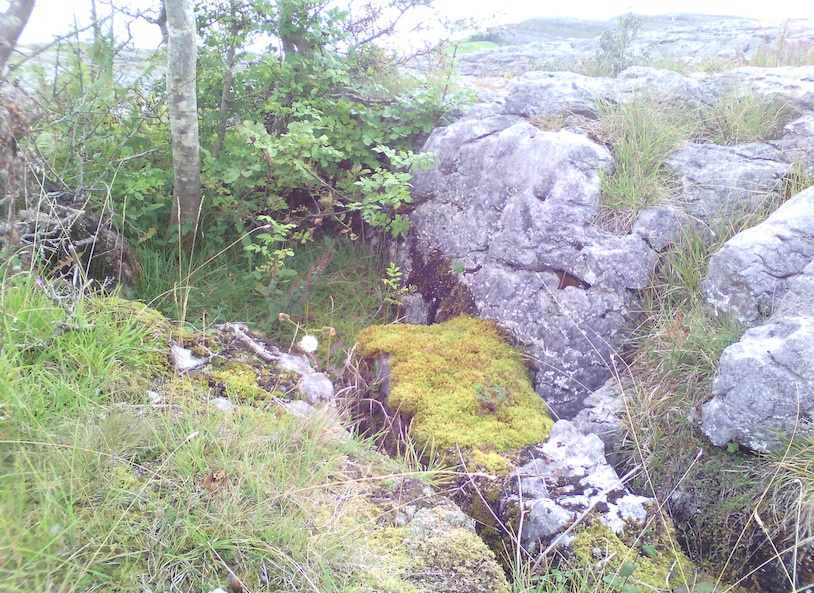
Galway, 13th September, 1824
RURAL SPORTS – The crowds now at the Burren Spa are beyond any calculation in that country. – The numbers assembled to see the best Irish jig dancers was immense and the contest so equal between two of the fair competitors, that the judges could not decide between them, and therefore directed the silver watch to be given to those very interesting girls, to be disposed of as they pleased. Immediately after the dancing, four horses were started, and there was a most excellent race. – On yesterday a fox was to have been shook at the well, and it was so arranged, that the ladies should witness “his funeral tears;” and on Sunday next there will be another race, and afterwards a hurling match, consisting of twenty-one men at each side – one party dressed in blue jackets and caps, and the other in red.–Limerick Paper.
Month: October 2014
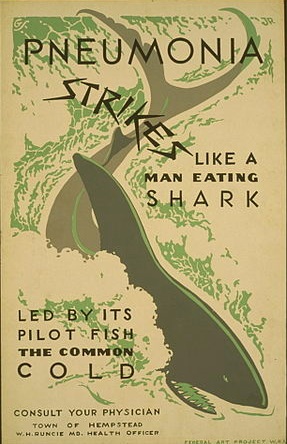
How to catch and how to cure a cold – 1824
THE CONNAUGHT JOURNAL
Wikimedia Commons
20th September, 1824
At this time of the year colds are easily caught, and difficult to cure. The following will be found effectual: –
After a quick walk in the evening, sit in the draft to cool; the consequence will be a severe cold, attended with cough; the next day hoarseness, short breath, and much expectoration; in the evening, at seven, go to a well-frequented tavern, and drink three or four glasses of strong punch, or stiff rum and water; stay till eleven, walk home cosey, and go to bed; you need not get up the next day, but send for the apothecary, the following day for the physician, and the third day your friends will send for the undertaker. You will never feel the effects of an autumnal cold afterwards.
Integrity – 1840
The Connaught Journal 17th December, 1840
A few years ago, during one of our often recurring “hard summers” the poorer classes in the neighbourhood of Mr. Patrick Lalor, of Tennkill, suffered severly from the scarcity and high price of potatoes; and Mr. Lalor (at first in a few instances) became security to a gentleman, then in the milling trade in the vicinity of Abbeyleix, for small quantities of oatenmeal, to keep actual starvation from some of those he saw most distressed. This of course became generally known, and numerous similar applications were speedily made to Mr. Lalor, who, perhaps with more benevolence than worldly wisdom, consented to become security in like manner for every applicant of good character. He was told he would himself have to pay for the greater portion of the debts incurred; but he measured the character of his countrymen by a different standard. He believed they could be honest, though coerced but by principle and gratitude, and the result was that when the season of plenty arrived-when abundant food and remunerative labors were again attainable, those relieved came forward to justify their benefactor’s confidence in them by paying, almost without exception, the debts they had contracted.
The number relieved amounted to some hundreds. Mr. Lalor had no security whatever from them-he could not, like the managers of a loan fund, apply to the law to aid him-he had nothing to look to but whatever trifle of honesty and gratitude he could hope for from a set of hungry beings whom he was in the almost daily habit of hearing reviled as the most unprincipled wretches on earth. Yet, though the sums which he became accountable exceeded nine hundred pounds, he can turn to the aspersers of his poor countrymen, and boast that amongst all who were relieved, there was not found enough of dishonesty and ingratitude to subject him to a loss of as many pence.–Kilkenny Journal.
Shannon Bridge – 1851
Freeman’s Journal 4th December, 1851 p4
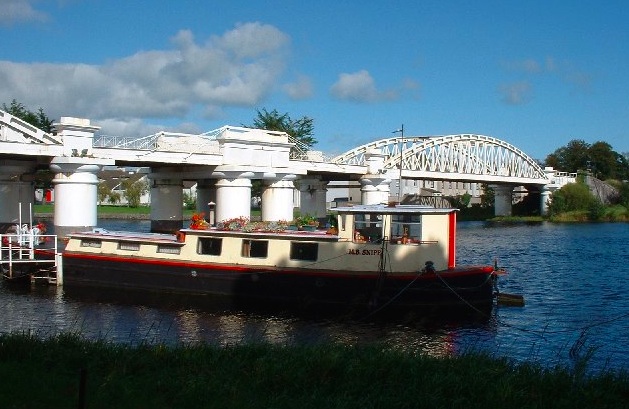
The crowning finish was given on Saturday the 19th of July to the great line of railway from Dublin to Galway, by placing the last rail on the Shannon Bridge. This splendid structure is 500 feet in length and constructed of wrought iron girders, with openings of 165 feet in the clear.
Mr Hermans, the chief engineer of the line, came with a staff of assistants to witness the completion of the bridge and test its strength by driving the locomotive over it. By ten o’clock at night, after great exertion, the closing rail was cut and laid in place, and amidst the cheers of a great crowd of spectators, the Venus engine was driven four times rapidly from end to end of the bridge, which bore the weight without the slightest apparent deflexion. The line was to be inspected for the Government in the course of the ensuing week and would be open to the public on the 1st of August
Variations on a theme – Colcannon
The Citizen 27th February, 1919 p6
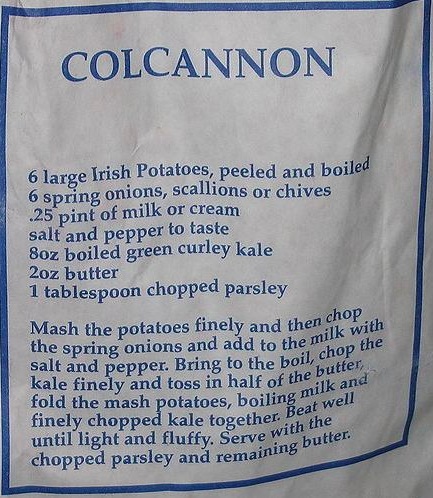
Photo: Sarah777
Wikimedia Commons
Colcannon
Six cups of boiled cabbage, three cups mashed potatoes, three heaped tablespoons butter, one cup of milk, seasonings.
Mix cabbage, potatoes, butter, milk and seasonings. Place in buttered baking dish. Dot with more butter and bake 40 minutes in hot oven. Serve with meat.
The Salt Lake Herald 14th June, 1903
Irish Colcannon
Peel and cut a large parsnip into small pieces, cook for fifteen minutes in boiling water; then add peeled potatoes and an onion. When the vegetables are very tender drain the mash, adding milk or cream until you have a smooth mess. Season to taste with salt and pepper.
The News and Herald 13th January, 1883 p4
Wash a head of white cabbage and put it over the fire to boil in plenty of salted boiling water Peel twelve large potatoes and put them to boil with the cabbage. When the cabbage and potatoes are done, drain of the water in which they were cooked, add to them four tablespoonfuls of butter, a cupful of good milk, or cream if it is plentiful, a level teaspoonful of pepper; chop all these ingredients together; then heat them and server the colcannon hot as a vegetable dish.
Philadelphia Colcannon
As Gaeilge – 1886
Fort Worth Daily Gazette 2nd February, 1886 p4 (abridged)
Wikimedia Commons –
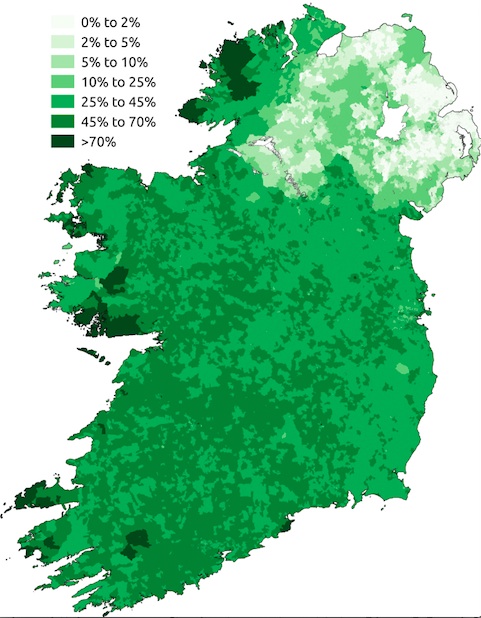
The other day there left from Galway by the Midland railroad an able young man who could not understand one word of English. He had never spoken any other language but Irish. He had been a fortnight in Dublin and during that time required, in the capital of his native country, to be accompanied everywhere by a interpreter.
The young man is a native of the Island of Buffin, off the Connemara coast where out of 600 or 700 inhabitants only nine speak English.
Ballybranigan
Ballybranigan
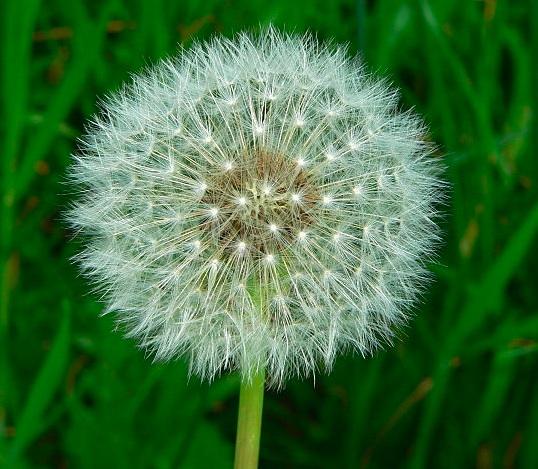
Photo: Greg Hume
Wikimedia Commons
Cows preen the velvet rise
Where stonewalls dip
Under blackberry and fern.
At the bend before the sea
Dun Guaire rises
Through gaps
Framed in wispy ash.
Rosehips,
Brambles,
Sloe.
At the ocean’s edge
Where heart and soul
And sea and soil meet
I am.
c. EO’D
Gort Lace – 1903
The Intermountain Catholic 28th February, 1903 p6 (abridged)
Creative Commons
.
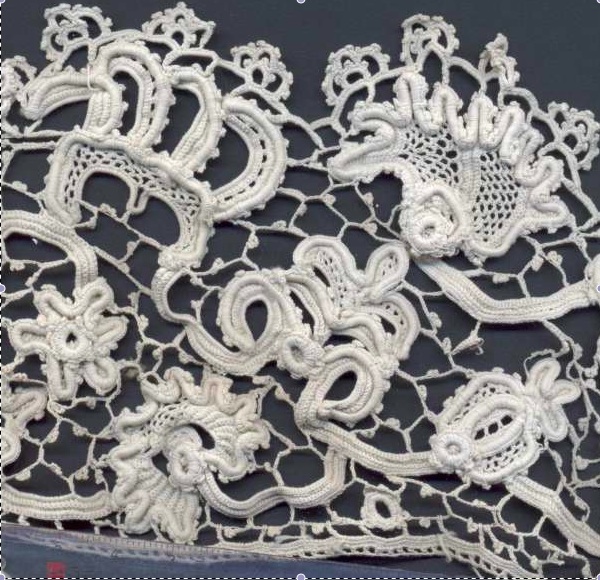
The industrial school of the Convent of Mercy, Gort, County Galway, Ireland will supply anything in lace.
It is gratifying to me to read from time to time extracts from subscriptions and business letters that come to this office, thanking for suggestions offered in this department. One just to hand is profuse in thanks for receiving laces ordered from Ireland, taken from the advertisement in our columns.
One reader asks: “Why do we not see this beautiful lace in our big stores?”
The answer is easy; Because you do not inquire for it, or, when you do, you exercise no judgment and permit yourself to be persuaded into purchasing an inferior article. Make it a point in shopping to ask for what you want, and do your own thinking as to whether or not you will purchase.
If you are a judge of lace then you know that some of the most exquisite laces in the world are made in Ireland, and you can even have a design worked out for you if you desire. The Irish laces were awarded prizes for designs and prizes for workmanship at the World’s fair at Chicago, which exposition was the greatest ever held in this country.
Edith Rayner in New York Freeman’s Journal
Gort – 1882
Saturday Press (Honolulu) 22nd April, 1882. p3
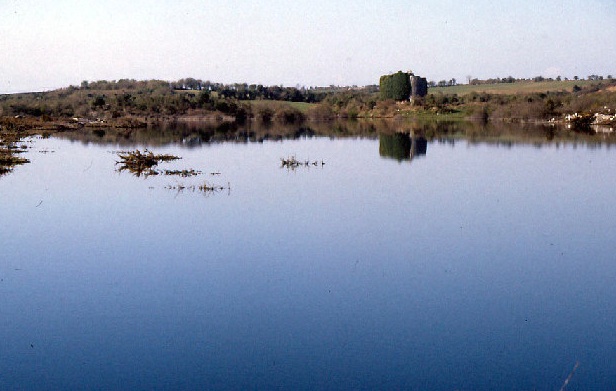
Photo: Dr Charles Nelson
Wikimedia Commons
At the Petty Sessions at Gort, County Galway, a priest names O’Higgins was committed for trial upon a charge of inciting to murder. He was escorted to jail by a detachment of cavalry.
Killeeny – 1837
From A Topographical Dictionary of Ireland, 1837
Creative Commons/ Wikimedia Commons
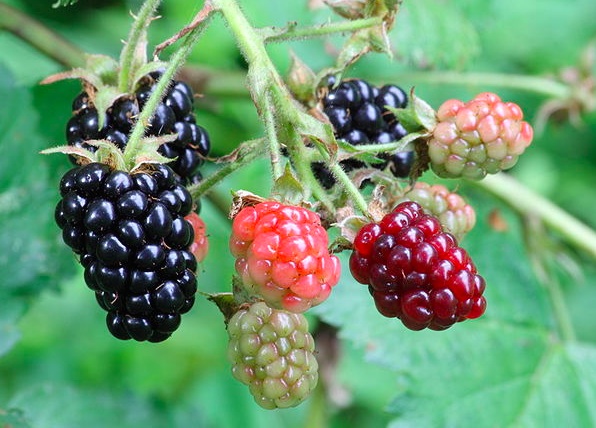
KILLEENEY, a parish, partly in the barony of DUNKELLIN, but chiefly in that of KILTARTAN, county of GALWAY, and province of CONNAUGHT, 4 ½ miles (N. W.) from Gort, near the road from that place to Kinvarra; containing 820 inhabitants, and 5931 statute acres, as applotted under the tithe act. The land is very coarse and rocky, and the only seat is Normangrove, the residence of John Burke, Esq. It is a vicarage, in the diocese of Kilmacduagh, forming part of the union of Kilcolgan; the rectory is appropriate to the see, the deanery, and the vicarage of Ardrahan.
The tithes amount to £98. 0. 6., of which £21 is payable to the Ecclesiastical Commissioners, £7. 7. to the dean, £42 to the incumbent of Ardrahan, and £27. 13. 6. to the vicar. There are some remains of the old church, with a small burial-ground attached. About a mile from Kinvarra is a hole in the rock, called the Pigeon Hole, which leads to a natural cavern, three or four hundred feet in extent. Here are the remains of the castle of Cahir Irlane, which is said to have belonged to the Killikellys.
libraryireland.com
 The Burren and Beyond