Posted in Posts and podcasts

Headache Cure – Killina – 1937

Photo: Norma Scheibe

From Margaret Cavanagh – aged 10
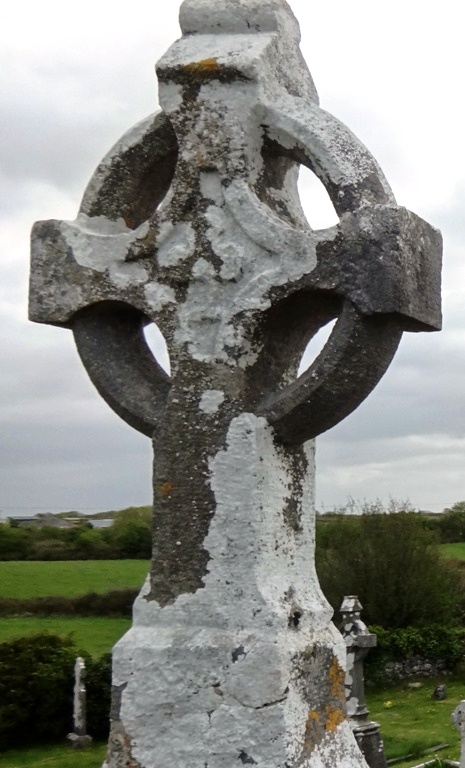
For constant “splitting” headache the people here (Killina) get their heads “measured” by Pat Linane Cappacasheen or by Pat Joynt Poulataggle, to cure them. They do it with a piece of twine. They say certain prayers about the Blessed Trinity when they do this cure.

This snippet of  lore comes from the duchas.ie website. It comprises part of the National Folklore Collection, property of University College Dublin held in trust for the people of Ireland. Content was collected by local children in 1937 and 1938, carefully transcribed under the supervision of their teachers and forwarded with great pride to form part of the Collection.
 

Posted in Posts and podcasts

Killina Story

Paddy Forde, Killinny East, age 11

Photo: Norma Scheibe
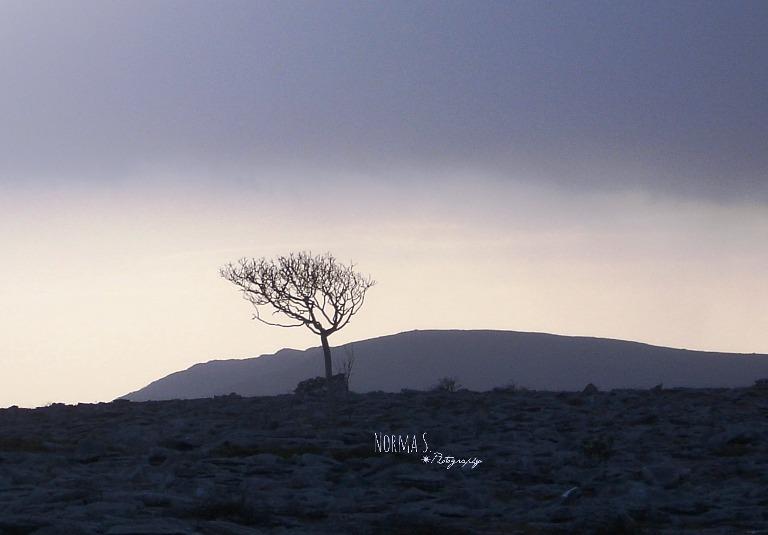
Burren Hawthorn Photo: Norma Scheibe

Long ago about eighty years ago there was a great battle fought in our village. There was a Queen from the North also at the battle. She was fighting among the people and the Queen got killed in the middle of the battle. She had a great lot of precious jewellery. The men buried her standing up in the grave. The people say that it is in Burke’s field she is buried. The men planted a hawthorn tree over her grave and the people say that there are four black cats guarding the treasure there always. Cilleení was the name of the Queen. The grave is still there and plain to be seen.

From the National Folklore Collection, property of University College Dublin held in trust for the people of Ireland. Content was collected by children in 1937 and 1938, carefully transcribed under the supervision of their teachers and forwarded with great pride to form part of the Collection.

Posted in Posts and podcasts

Local place names – Killina N.S.

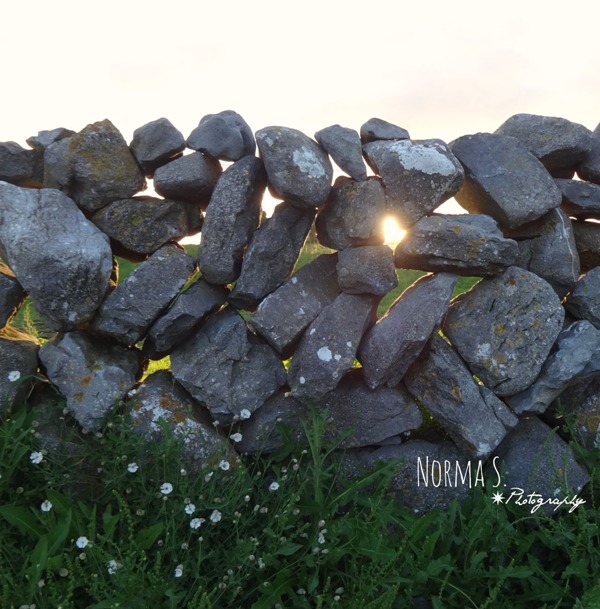
From Margaret Cavanagh (c.1937)wall
When the women of our village “Clúin-a-see” would be leaving a cake out to cool on the window-sill they would first take a bite of it. The fairies would take it only for that.
There is a field near my house it is called poll-a-Feóla. It is called that name because in olden times robbers used to steal sheep from farmers and kill them and hide them there. There is a great big heap of stones in the middle of the hole.
There is another hole near our house and it is called pollac-na-mbó. It is called that because since it was made there are cattle going into it for water. One time people were trying to make a road down to it. Every night the stones used to be put back to the place they cleared. One night they stayed there after six and they saw a stick pointing towards them. Nobody tried to “ready” it since because they think it is haunted.
There is another hole near my house. It is called poll-beacháchán it is so-called because a man was following a fox on horse-back and they fell into the water and got drowned. There is another field called poll na Choonach. There are badgers living in it.
There is another field and my father said there was war in it once. There is another hole called poll-eidhin. It was choked by ivy long ago. The people filled it up with stones for fear the cattle would fall into it.
There are some people great for putting “the bad eye” on things. They would say “Isn’t that a fine child” and would not say “God bless him”. There was a woman and a boy coming home from town at ten in the night and every step she took there used to be a candle-stick before her on the road and she put them in her basket and kept one in her hand and when she reached home she had only the one that she had in her hand and people say that it is in Gort yet.
There is a “lios” near my house and it is down in history. The name is liosin-a-mheala.

Posted in Posts and podcasts

Killina cures – 1937

Collected by pupils of Killina School

Photo: EO'D
Photo: EO’D

(abridged)
1. Asses’ milk for “consumption” (taken fasting).
2. Goat’s milk for “consumption”.
3, Sheep’s milk for sore throat (heated).
4. Carry 3 small potatoes in your pocket for rheumatism or for toothache.
5. Foam of new milk for toothache.
6. Ferrets “leavings” – cure for measles.
7. Fox’s tongue to take out a thorn.
8. Dog’s lick for a sore.
9. Fairy mushroom to stop bleeding.
10. Cobweb to stop bleeding.
11. “Goose gall” rubbed on lumps cure them.
12. Goose grease as an embrocation for stiff knees or joints.
13. Snail in shell rubbed to a corn cures it.
Rub snail on corn – hang up on tree seven days. Repeat if corn is not cured first.
14. Cure for boils – plaster made of sugar soap and soda. Apply on linen rag to boil.
15. Leaf of new cabbage bandaged on sores.
16. Juice of dock leaves for stings – nettles, bees.
17. Rub gold wedding ring on a sty in the eye.
18. Rub penny on a fresh bruise to heal it – or piece of raw mutton.
19. Boiled garlic juice for rheumatism.

This selection of  lore comes from the duchas.ie website. It comprises part of the  National Folklore Collection, property of University College Dublin held in trust for the people of Ireland.  Content  was collected by local children in 1937 and 1938, carefully transcribed under the supervision of their teachers and forwarded with great pride to form part of the Collection

Posted in Posts and podcasts

Kinvara, Killina, Duras – 1847

Freemans Journal 16th May 1847 p.2

Photo: EO'D
Photo: EO’D

Kinvara, Killina and Duras, Galway – Reverend F. Arthur (abridged)
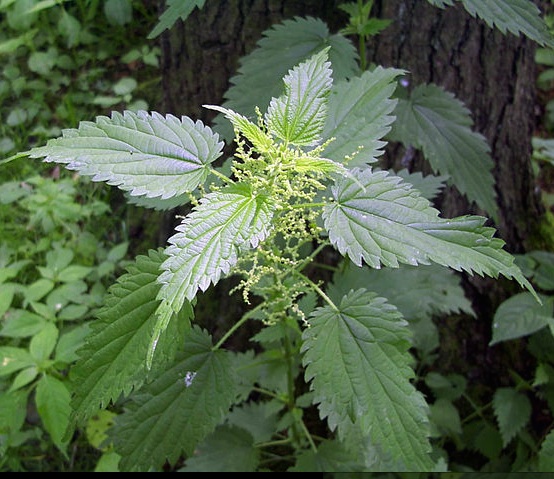
Deaths by famine, 148, in addition to 98 occasioned by a melancholy subsistence on sea weed, nettles, “Bliskane,” & c. Last year the mortality was 52, so that the increase amounted to within a fraction of 400 per cent. Over 1,100 persons were cast out to perish by the order of reduction. There is the parade of relief under the act, but the committee are fastidiously select. Out of a population of 10,000 “there is not 100 who would not be ranked under the first class paupers.”
The reverend gentleman regrets the absence of a Protestant rector “to assist in the great work of charity,” a regret inspired with the most sublime Christianity. And yet the Mail not long since made merry, with that divine desire which proved how well the Rev. Mr Arthur could share the brotherhood of benevolence with one of a difference creed. We seek to introduce no unworthy bickering into the neutral ground of charity, or to interrupt the “truce of God,” with reflections derogatory to any class embarked in the sacred cause of humanity; but if stones have been cast, the Catholic clergy did not originate or perpetuate the quarrel. They calmly bore the faint ebullitions of the old intolerance – which even the fate of thousands of perishing fellow Christians could not altogether repress.

Posted in Posts and podcasts

County Council Elections – 1899

Tuam Herald 11th March, 1899 p4 (abridged)

Photo: Kinvara Stone EO'D
Photo: Kinvara Stone
EO’D

A large and representative meeting of the electors of the parish of Kinvarra was held recently at Kinvarra for the selection of a candidate for the office of County Councillor of the Gort Division and of candidates for the District Councillorship of Kinvarra, Doorus, Killinny and Cahermore.

The Revd John Moloney, P.P. Presided and the attendance included the Revd Father Davoren, C.C. And Messrs J.W. Brady Murray, John Flatley, William Flatley, Fergus O’Dea, John O’Dea (Doorus), John Quinn, PLG; Miko Hynes, Ml O’ Donoghoe, Martin Corless, Patrick Curtin, John Quinn (Kinvarra), Thomas Greene, (Loughcurra), F. Green, P. Hynes PLG; M Brennan, Stephen Leech, Thomas Leech, John Morris, John Fahy, PLG; Thomas O’Halloran, John Finucane, Thomas Fahy, Patrick Hynes, (Corrishooa (sic.)); John Burke, Thomas Burke, Thos Kavanagh, J. O’Connor, Michael Howard, John Tierney, Wm. Whelan, A. Staunton, P. Kennedy, Ml. Kennedy, William Connor, John Davenport, T. Doogan, Ml Grady, E. Holland, F. Fox, Wm. Quinn, Michael Mooney, F. Lally, T. Lally and many others.

Among the ladies present were the Misses Hynes, Mrs Cullinan, Mrs Watson, Mrs Johnston, Mrs O’Halloran, the Misses Joyce and Mrs O’Donnell.

(further details in Kinvara in the news-archives on theburrenandbeyond.com)

Posted in Posts and podcasts

Kinvara, Killina, Durus – 1847

From the United Parishes of Kinvara, Killina, and Durus, Co Galway, per the Rev. Francis Arthur.

Wikimedia Commons
Wikimedia Commons

“Deaths by starvation from October 1846 to April 1847. – 148
Number of deaths occasioned by eating bad food- such as nettles, seaweed – 98.