
The Irish Times
May 4, 1904
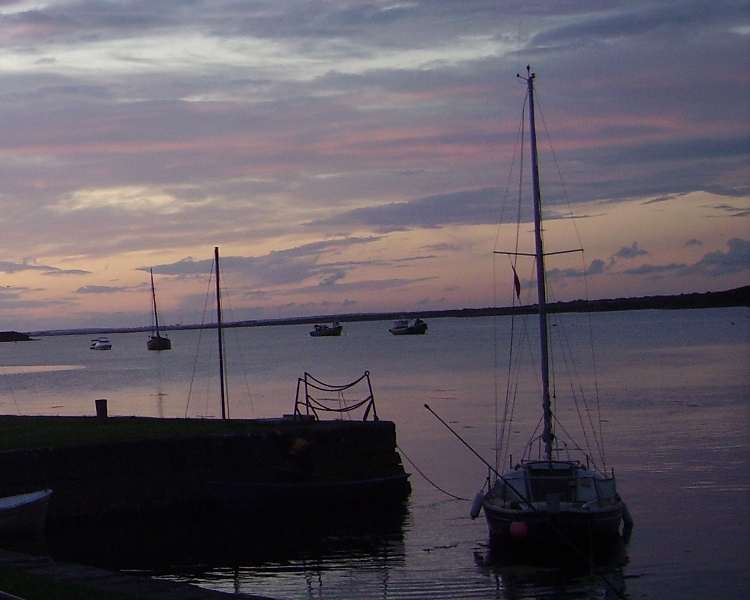
Kinvara Harbour and Pier
After 34 years continuous effort on behalf of the inhabitants of Kinvara, a start is at length to be made with the new works. Hitherto the great difficulty has been that the pier was private property, but the trustees of the owner, Miss Sharpe, through Messrs. Kirwan and Sons, of Tuam have now consented to hand over the pier, with its tolls, to the Galway County Council. The County Council have agreed to raise £1,000 for the rebuilding of the pier and the dredging of the harbour. The Agricultural Board, through Sir Horace Plunkett, have given a grant of £1,000 and a further sum of £1,100 has been allotted under Mr. Wyndham’s Marine Works Act, thus bringing up the total to £3,300, the amount estimated as necessary by the County Surveyor, Mr. James Perry, C.E. At the last meeting of the County Council on the 26th ult. a communication was addressed to the Congested Districts Board asking them to undertake the completion of the work. On receipt of the news in Kinvara the town was brilliantly illuminated; bonfires blazed from the surrounding hills, and a procession of torchbearers and musicians paraded the principal streets, the Rev. T. Burke, P.P., and Mr. Thomas P. Corless, Chairman Gort Rural Council, who have been so largely instrumental in the successful negotiations, receiving an ovation. It is expected that Kinvara will now become a port of call for the new Glasgow service of steamers which are to visit the principal harbours of the west coast, and that in addition to a revived barley market and trade development, a regular tourist traffic with Galway by steamer will now be re-established.
 The Burren and Beyond