Posted in Posts and podcasts

The Cuckoo – 1848

Tuam Herald 13th May, 1848 p.4
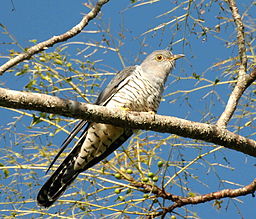
Cuckoo Photo: Aviceda Wikimedia Commons
Cuckoo
Photo: Aviceda
Wikimedia Commons

A Cuckoo shoots across my path,
Well pleased I mark its arrowy flight,
And see it reach the neighbouring rath,
And on an aged thorn alight.

In haste I turn my dexter car,
To catch the luck-portending sound;
And fancy, as those notes I hear,
‘Tis fairy music from yea mound.

Such airy, softly plaintive tones,
Did echo breath, with love forlorn,
While pining to a shade, her moans,
Were on the mountain breezes borne.

On such soft notes mine ear has hung
At dewy eve – soul-soothing hour!
When haply viewless Bards have strung
Their harp AEolian near my bower.

Mysterious bird! where has thou been
Since last I heard thy mellow cooing?
Say in what far distant scene
Hast thou been the echo wooing?

Didst thou to Grecian nations rove
Fair lands of arts and posey
To woo the secrets of the dove,
That keeps the Delphic mystery?

Or Egypt has thou visited,
Cradle of mythologic lore;
And from her lovely Pyramid
Thy lonely descent didst thou pour?

Or far as Araby, the best
Did thy unwearied wing aspire,
To see the Phoenix on her next,
Kindle the renovating fire?

Or has thy winter all been given
To slumber, in some mossy cell:
One of the feathered sleepers, seven,
Entranced, as if by magic spell?

I hail thee Phoenix of our year!
For at thy coming nature’s womb
Revives, and all her charms appear
Arrayed in renovated bloom.

I hail thee o’er the woodland ranging,
Chasing thy mate from tree to tree:
And with thy mellow pipe unchanging,
Swelling the Sylvan minstrelsy

Posted in Posts and podcasts

The Goobeadawn – 1894

The Sun, 25th February, 1894 p.6 (abridged)

EO'D
EO’D

To the Editor of the Sun
Sir,
For some time past I have been reading in your paper a good deal of matter bearing on the cuckoo and cuckoo politicians. In Ireland, where I was born, I have both seen and heard the cuckoo scores of times. All cuckoos who visit the Emerald Isle are attended by a small bird which is called by the Irish people the goobeadawn. This bird acts in the capacity of pilot and, I believe, nest builder to the cuckoo, and wherever you see the cuckoo there you will also see the goobeadawn.

The term goobeadawn is generally applied with derision and comtempt to the mean and obsequious fellows who are always to be found curring favors from the local squireens and are always in attendance on them, cap in hand, ready to perform the most menial service.
Yours,..

Posted in Posts and podcasts

The Cuckoo – 1880

Nenagh Guardian 5th May, 1880 p.2(abridged)

The Cuckoo Photo: Harald Olsen Wikimedia Commons
The Cuckoo
Photo: Harald Olsen
Wikimedia Commons

It is a popular belief that we should hear the cuckoo about the 21st of April and that whatever you are doing the first time that you hear the cuckoo, the same you will be doing most frequently through the year. Another belief is that an unmarried person will remain single as many years as the cuckoo utters its call when first heard.

The cuckoo was often celebrated in the medieval poetry of all ages and all languages, and was looked upon as possessing some share of supernatural knowledge. In some parts it seems to have been an article of belief that it was one of the gods who took the form of the bird.  It was considered a crime to kill it.  Its most singular quality in this superstitious lore was the power it had of telling how long people would live.

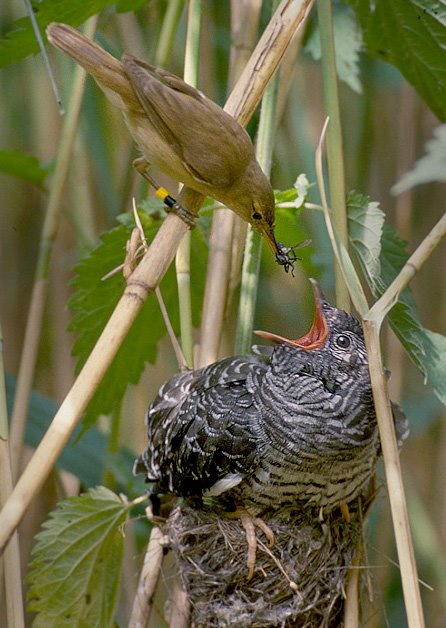
The notion which couples the name of the cuckoo with the character of the man whose wife is unfaithful to him appeared to have been derived from the Romans and is first found in the middle ages in France. The opinion that the cuckoo makes no nest of its own, but lays its eggs in that of another bird, who brought up the cuckoo to the detriment of its offspring was well-known to the ancients and is mentioned by Aristotle and Pliny.