
Irish Examiner 1st October, 1892 p.12
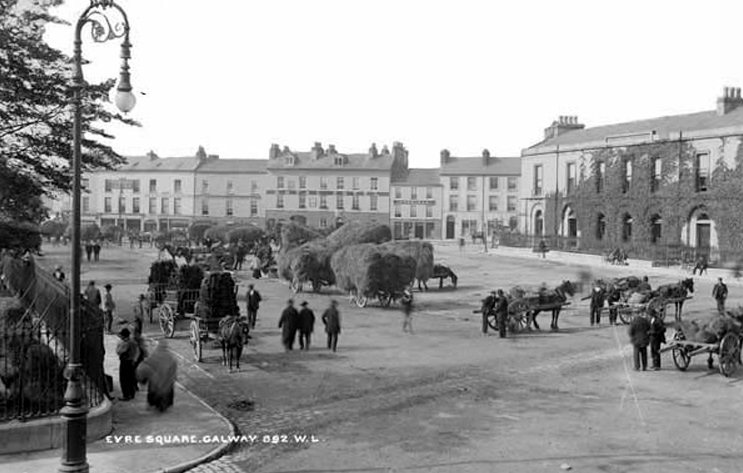
National Library of Ireland
Wikimedia Commons
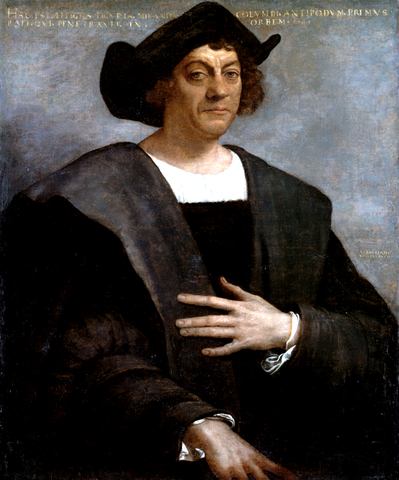
The old city of Galway will celebrate with more than ordinary enthusiasm the 400th anniversary of the discovery of the New World, for in that fine old city was born William Eyre, the Irishman who sailed with Columbus on his first voyage. The daring and love of adventure characteristic of his race prompted him, no doubt, to embark in the perilous expedition. He was in Palos at the time and had no difficulty in getting engaged as a sailor.
He was one of the thirty-eight whom Columbus left in garrison in the fort of La Natividad, the first European settlement in America, which Columbus built at Christmas, 1492, before returning to Spain. The following year the fort was stormed by an Indian chief and the whole garrison slain. The Galway sailor was among the first white men whose blood was shed.
The names and fate of the slaughtered men who remained in the fort after the return of Columbus to Europe were found in a published proclamation at Seville, calling on the relatives of the deceased to come forward and draw their pay. There is no record of any of the relatives of William Eyre applying for the money due to him from the Spanish Government.
 The Burren and Beyond