Behind me are the ruins of an early Christian church, a holy well and the cave of a hermit. The track meanders downward, across a field and onto a limestone terrace. It’s quiet, beautiful and relaxing. We share a cheese sandwich and a flask of water. Nothing happens. Perfect. The Burren – West of Ireland.
Adapted from
William Bennett, Narrative of a Recent Journey of Six Weeks in Ireland. London: C. Gilpin, 1847, pp. 25-9.
We spent the whole morning visiting these hovels, followed by an ever increasing group of wretched creatures, who begged for help. We avoided houses known to contain the fever. Some were easily identifiable by the small coming from them.
And now language utterly fails me in attempting to depict the state of the wretched inmates. I would not willingly share the harrowing details; but these are the FACTS as they stand. It is our responsibility as Christians, in a Christian land, under a Christian Government to take note.
My hand trembles while I write. The scenes of human misery and degradation we witnessed haunt my imagination, with the vividness and power of some horrid and tyrannous delusion, rather than the features of a sober reality.
We entered a cabin.
Stretched in one dark corner, scarcely visible, from the smoke and rags that covered them, were three children. They huddled together, too weak to rise, pale and ghastly, their little limbs perfectly emaciated. Their eyes were sunken, voices gone, evidently in the last stage of starvation.
Crouched over the turf embers was another form, all but naked. It stirred not, nor noticed us.
On some wet straw, strewn on the floor lay a shrivelled old woman. She moaned piteously, imploring us to give her something. Above her, on something like a ledge, was a young woman, with sunken cheeks. A mother I have no doubt. She scarcely raised her eyes in answer to our enquiries, but pressed her hand upon her forehead, with a look of unutterable anguish and despair.
Many cases were widows, whose husbands had recently been taken off by the fever. The only source of income for these women died with their partners. In other homes the husbands or sons were prostrate, under that horrid disease. Their suffering was the result of long-continued famine and low living, in which first the limbs, then the body, swell most frightfully, and finally burst.
We entered upwards of fifty of these tenements. The only difference between them was the number of the sufferers within. It was difficult to count them until-the eye adapted itself to the darkness, or they were pointed out, or were heard, or some filthy bundle of rags and straw was perceived to move.
The children were the most heart-rending spectacle. Many were too weak to stand, their little limbs attenuated, – except where the frightful swellings had taken the place of previous emaciation.
The childlike expression had left their faces. Many of them were remnants of families, crowded together in one cabin; orphaned little relatives taken in by the equally destitute, and even strangers.
These poor people are kind to one another to the end.
In one cabin was a sister, just dying, lying by the side of her little brother, just dead.
I have worse than this to relate, but it is useless to multiply details, and they are, in fact, unfit.
These people hardly complained. When I asked what was the matter, the answer was the same -‘Tha shein ukrosh,’ – ‘we are hungry’. We truly learned the terrible meaning of that sad word ‘ukrosh’.
My friend the clergyman distributed tickets for meal as best he could. He told me that wherever we went it would be the same. All over the country. Even worse in the far off mountain districts. We had visited near the town, where some relief could reach. It was my full impression that one-fourth of those we saw were dying. They were beyond the reach of any relief. Many more would follow.
This day can never be effaced from my memory.
These were our fellow-creatures.
Children of the same Parent.
Born with our common feelings and affections.
With an equal right to live as any one of us.
With the same purposes of existence.
The same spiritual and immortal natures.
The same work to be done.
The same judgment-seat to be summoned to.
And the same eternal goal.
Ar dheis Dé go raibh a n-anamnacha.
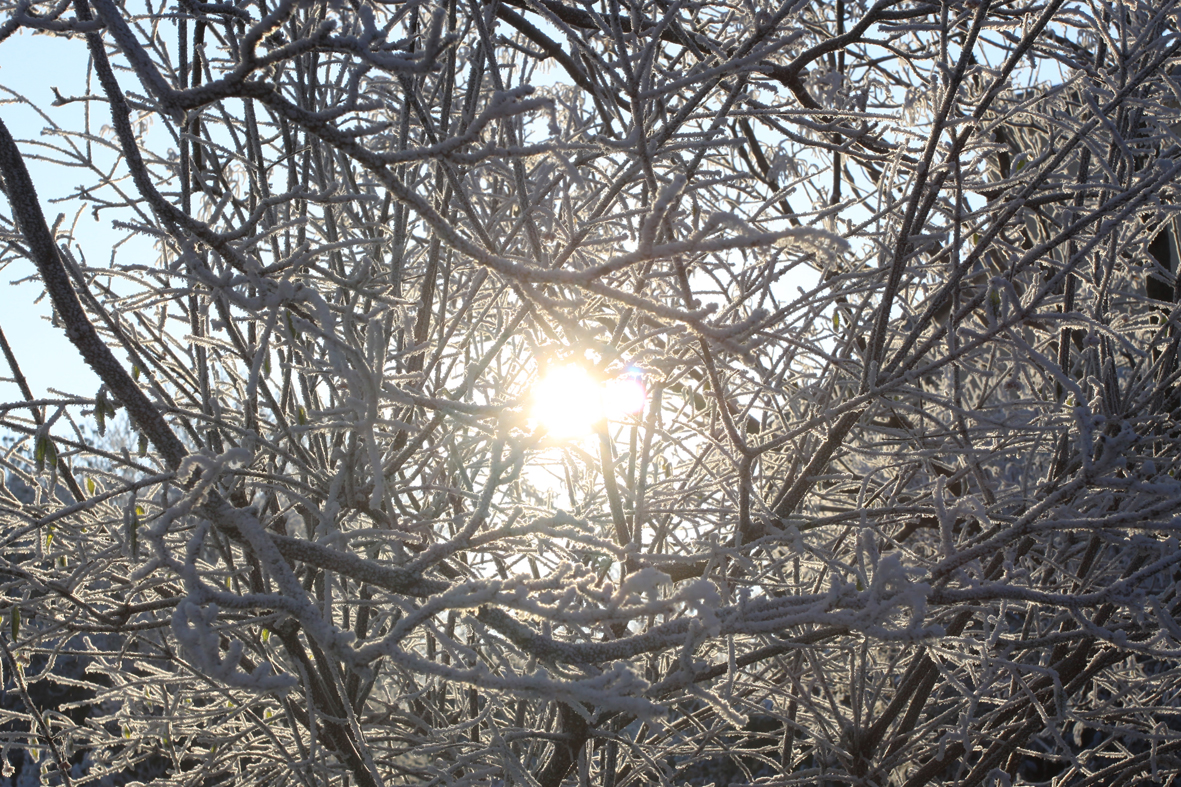
Photo: Norma Scheibe
We remember them. At the rising of the sun and at its going down, we remember them.
At the blowing of the wind and the chill of winter, we remember them. At the opening of the buds and in the rebirth of spring, we remember them.
At the blueness of the skies and in the warmth of summer, we remember them. At the rustling of the leaves and in the beauty of autumn, we remember them.
At the beginning of the year and when it ends, we remember them.
As long as we live, they too will live; for they are now a part of us, as we remember them.
When we are weary and in need of strength, we remember them.
When we are lost and sick at heart, we remember them. When we have joy we crave to share, we remember them.
When we have decisions that are difficult to make, we remember them. When we have achievements that are based on theirs, we remember them.
As long as we live, they too will live; for they are now a part of us, as we remember them.

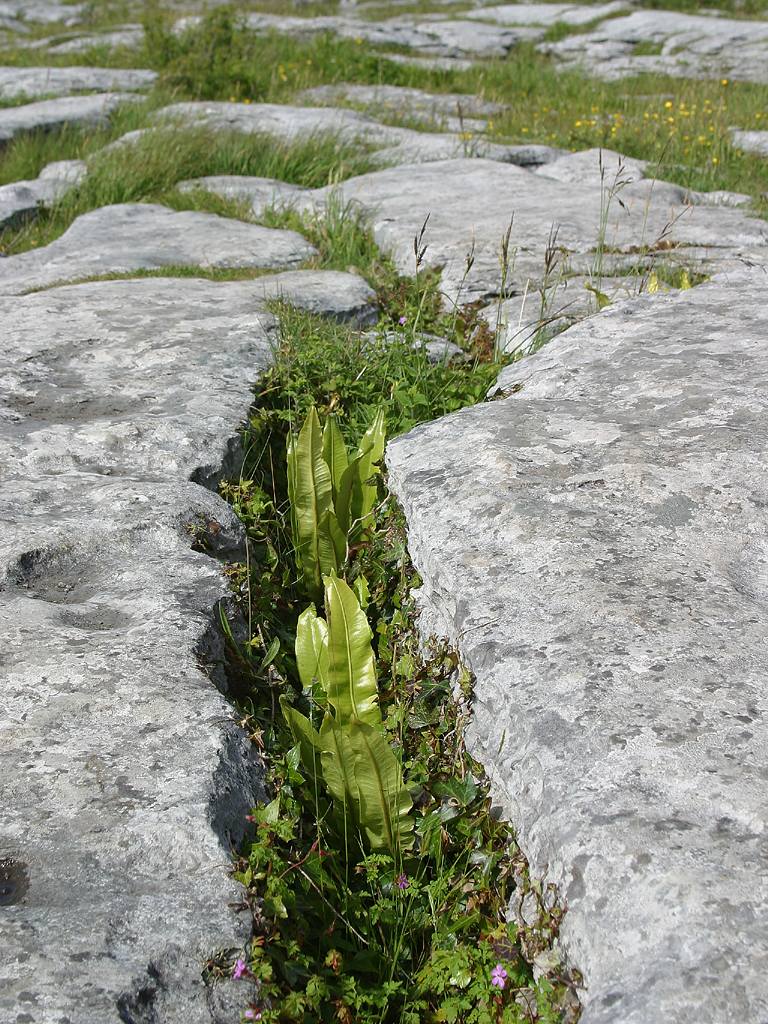 Behind me are the ruins of an early Christian church, a holy well and the cave of a hermit. The track meanders downward, across a field and onto a limestone terrace. It’s quiet, beautiful and relaxing. We share a cheese sandwich and a flask of water. Nothing happens. Perfect. The Burren – West of Ireland.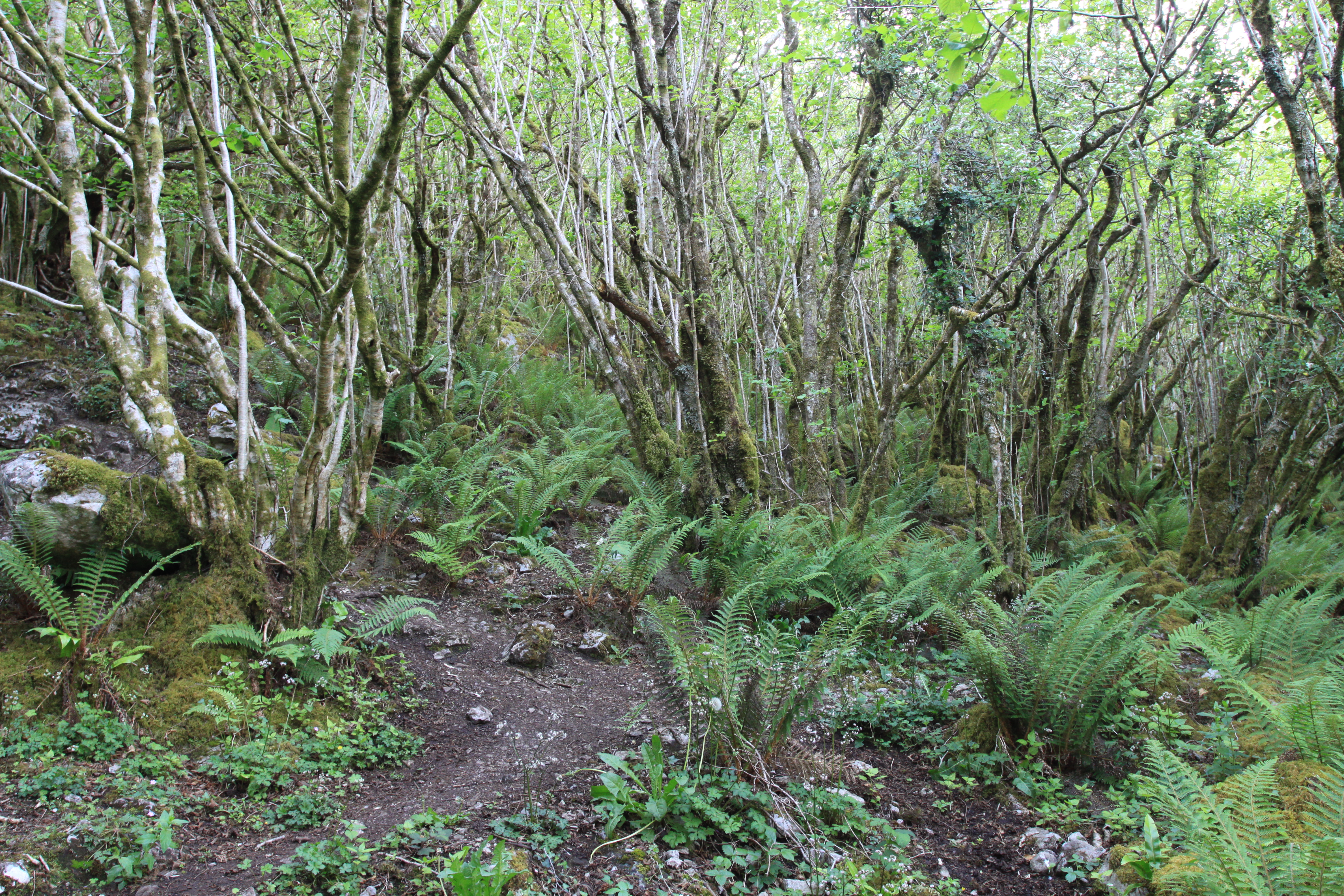

 The Burren and Beyond